Book roundup: Henrik Berggren, Kenneth Minogue, Mikkel Vedby Rasmussen

Henrik Berggren - Underbara dagar framför oss, En biografi över Olof Palme

Henrik Berggren – Underbara dagar framför oss, En biografi över Olof Palme (2010)

The social democrat Olof Palme represented a strain of American post-war liberalism, imported into Swedish politics in the shape of an upper-class golden boy.  His sharp mind and sharper tongue got him hand-picked into the political elite at a young age, happily timed so that he came to be in sync with the new spirit of the age.

Recommended: Yes.

Kenneth Minogue - The Servile Mind, How Democracy Erodes the Moral Life (2010)

Kenneth Minogue – The Servile Mind, How Democracy Erodes the Moral Life (2010)

Cultural conservatism is irrelevant to me as an overall worldview, but relevant as a correction to liberal and democratic excesses.  Minogue picks the (social) democratic worldview apart, analyzing its paradoxes and illusions, and argues that traditional individualism, which saw freedom and responsibility as fused together, has been replaced by a new form that uses the state to separate the two.

Recommended: Yes.
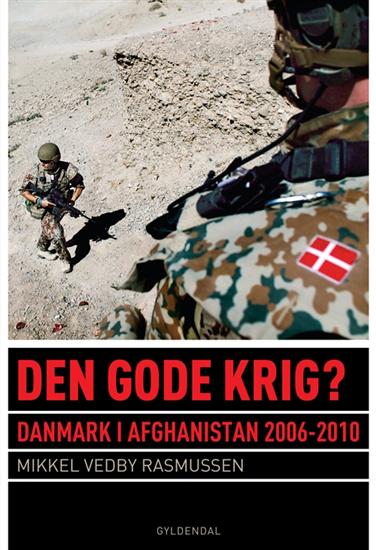
Mikkel Vedby Rasmussen - Den gode krig, Danmark i Afghanistan 2006-2010

Mikkel Vedby Rasmussen – Den gode krig? Danmark i Afghanistan 2006-2010 (2011)

Denmark has played an active role in the war in Afghanistan, losing 40 lives in the process, but Rasmussen argues it’s not clear that they’ve achieved anything, beyond proving their military worth to themselves and to NATO.

Recommended: Yes.

..merely the slave’s dream of escape from a master

In responding to the blizzard of regulation to which we are subjected, we are sometimes lulled into thinking that all human beings seek freedom by nature, and that our liberal ways are merely an expression of this natural human passion that has at last been liberated from oppressors. No glance at history, and especially at the history of the last century, would sustain such an idea. Even where the real oppressions of communisms have been overthrown, there remain many who yearn for the security that is lost when freedom comes. No doubt there is one kind of freedom that everybody does desire – the freedom to do what one wants without interference. But this is merely the slave’s dream of escape from a master; it is quite distinct from the freedom on which the greatness of European societies has been constructed.  Freedom as a moral condition is only possible when combined with responsibility. To be free in this sense is, of course, to live in terms of the rules of law, but more importantly it is to be guided by one’s own sense of virtues and commitments.

– Kenneth Minogue, The Servile Mind (2010)

1950s movies marathon – part 44

The War of the Worlds (1953, USA)

Imagine the perfect 50s alien invasion movie, one that is primitive enough to be fun, (no “the aliens are actually the good guys”), has characters who mostly behave like people, and where the special effects are used intelligently to build up a sense of otherworldly awe.  Well, this is it.  Watched it all.

Roman Holiday (1953, USA, Wyler)

The sort of movie where the characters’ inability to talk to each other force them into absurd situations that eventually teach them about life and love and so on.  Watched: 35 minutes.  For a long time I thought Audrey Hepburn was Katharine’s sister, but it doesn’t add up, does it?

Stalag 17 (1953, USA, Wilder)

It’s not true what the narrator says, that nobody had made a POW movie before.  The British had made several by this point, and I’m already sick of the format.  But bless that Billy Wilder and his magic, there’s no way I can resist this.  Watched it all, all two hours of it, and I would happily spend hours more with these guys.  Not least of its charms is that prison guard Schulz is played like Londo Mollari.

The Lady Wants Pink (1953, USA)

A stereotype brought to life: Suburban 1950s America as later generations have preferred to remember it.  Identical wives using ever more expensive fur coats to assert their status, while their identical husbands bankrupt themselves and the children watch television, and ha ha consumerism is silly BUT NOT REALLY SO GO SPEND SPEND SPEND.  Watched: 11 minutes.

..stora förhoppningar om att världen var på väg mot större frihet

I slutet av maj 1980 hade Olof Palme, Bruno Kreisky från Österrike och den spanske socialistledaren, Felipe Gonzáles besökt Iran som representanter för Socialistinternationalen. Väl hemma i Sverige avlämnade Palme en förhoppningsfull rapport om den islamistiska revolutionen, som då var drygt ett år gammal. Visserligen krävde han att de religiösa inslagen i landets grundlag skulle avlägsnas, men han uttryckte också en allmän optimism om att Iran var på väg mot frihet och demokrati. Dessa missriktade förhoppningar berodde delvis på att revolutionen i Iran till en början hade tyckts utgöra en del av en global rörelse mot demokrati. 1979 hade varit et märkligt år. En efter en hade världens värsta tyranner fallit: Den CIA-stödde shah Mohammad Riza Pahlavi i Iran, folkmördaren Pol Pot i Kambodja, den förryckte ugandiske diktatorn Idi Amin, rasisten Ian Smith i Rhodesia, Nicaraguas korrupte president Somoza, den blodtörstige och brutale kejsaren Bokassa i Centralafrika och Syd-koreas starke man Park Chung Hee. Sjuttiotalet hade slutat med stora förhoppningar om att världen var på väg mot större frihet och fredligar förhållanden under det kommande decenniet.

– Henrik Berggren, Underbara dagar framför oss, en biografi över Olof Palme (2010)

..Pippi Långstrump var den idealtypiska medborgaren i den svenska välfärdsstaten

Precis som den socialdemokratiska välfärdsstaten var Astrid Lindgrens författarskap grundat i en stark protestantisk jämlikhetstradition. Som hon såg det skulle föräldrer skapa trygghet för sina barn men för övrigt hålla sig i bakgrunden. Förebilden var hennes egen uppväxt. Hennes foräldrar hade alltid funnits til hands för barnen, mindes hon, “om vi behövde dem, men annars [låtit] oss fritt og lyckligt skala omkring …” Föräldramakten i hennes böcker är oftast frånvarande eller ytterst väl dold. När Lotta, Ronja och andra huvudpersoner flytter hemifrån, beger sig ut på änventyr eller begår andra brott mot den sociala ordningen är det sällan någon som hindrar dem. Men samtidigt, och kanske lite paradoxalt, förutsätter denna frihet en stor social stabilitet i det omkringliggande samhället. Lagen och den moraliska ordningen finns alltid i bakgrunden – samt några kloka vuxna som kan gripa in när saker och ting går över styr. Detta budskap om trygghet som en förutsättning för frihet liknade i hög grade Olof Palmes tro på att det starka samhället kunde göra medborgarna mer självständiga. Den föräldralösa Pippi Långstrump var på många sätt den idealtypiska medborgaren i den svenska välfärdsstaten: en autonom individ utan historiska band bakåt i tiden vars frihet garanteras av en kappsäck med gullpengar att ösa ur vid behov.

– Henrik Berggren, Underbara dagar framför oss, en biografi över Olof Palme (2010)

1950s movies marathon – part 43

Sommaren med Monika / Summer with Monika (1953, Sweden, Bergman)

Society is cruel to young lovers. They expect you to hold down a job and obey the law, and then, one day when you look in the mirror, the dead eyes of an adult stare back at you.  It’s all so unfair!  Watched it all.  One thing I didn’t expect from this marathon was how much I would hate Ingmar Bergman at his worst.  But at his best he’s pretty okay.

Knights of the Round Table (1953, USA)

“We’re knights of the Round Table, we dance whenev’er we’re able. We do routines and chorus scenes with footwork impec-cable, We dine well here in Camelot, we eat ham and jam and Spam a lot.” Watched: 10 minutes.

The Juggler (1953, USA, Dmytryk)

Tormented Holocaust survivor Kirk Douglas is on the run in Israel after nearly killing a policeman, but his serial number tattoo opens all hearts.  Watched it all, and it’s good in that earnest 50s message movie way, but there’s something phony about how nice every single person he meets is.  Even the detectives who chase him want nothing more than to make him feel welcome in his new home country.

Miss Sadie Thompson (1953, USA)

So Rita Hayworth walks onto an island full of lonely Marines.  My imagination is too dirty to enjoy the 1953 version of what happens next.  Watched: 13 minutes.

..en kombination av arbetarrörelsens kollektive kraft och överklassens arrogans

Men även Palmes sociala bakgrund provocerade. Det var inte främst det att han, som det ibland sagts, var en klassförrädara. Det översta högborgerliga skiktet i Sverige, som Palme kom från, utgjorde bara en liten del av de omkring 40-45 procent av svenska medborgara som röstade på oppositionspartierna. Historiskt sett hade den svenska medelklassen klämts mellan den gamle ämbetsmannaeliten som styrte landet fram til demokratins genombrott och den socialdemokratiska arbetarrörelse som dominerat seda trettiotalet. För en stor del av den svenska borgerligheten var inte Palme en förlorad son utan en kombination av två för dessa grupper negative företeelser: arbetarrörelsens kollektive kraft och överklassens arrogans. Bönder, småföretagare, folkskollärare, lägre tjänstman och andra som framför allt röstade på Bondeförbundet och Folkpartiet kände ingen särskild samhörighet med de kretsar Palme kom ifrån. Hans sociala bakgrund togs ofta upp. Vad vet vi egentligen om Palme, frågade en liberal ledarskribent: “inte så mycket mer än att det av överklassynglingen från Östermalm uppenbarligen blivit en skicklig polemiker.” Modernitet ovanifrån har en tendens att framkalla reaktion underifrån.

– Henrik Berggren, Underbara dagar framför oss, en biografi över Olof Palme (2010)

Adam Curtis – All Watched Over by Machines of Loving Grace

The documentaries of Adam Curtis are to regular “famous person talks to the camera in exotic locations” documentaries as poems are to newspaper articles. Saying “I don’t get it” or “I disagree” isn’t the criticism of the first that it would be of the second.

His new series All Watched Over by Machines of Loving Grace takes on cyber utopianism, but at the layer beneath everyone else (except perhaps Jaron Lanier), the idea structure and assumptions cyber utopianism stands on.  He argues that we are embracing a form of individualism that reduces us to nodes in a supposedly self-organizing system that is unable to deal with the actual power structures of society.

This is a tricky idea to explain in a three hour tv series.  I don’t even know how to classify it. Is this cultural conservatism or Marxism?  Whatever it is, it’s interesting. Curtis is one of the people I know of whose interests (but not views) most closely overlap with my own, and I’m glad to say that All Watched Over shows we’re still in sync.

He’s a bit obsessed with Ayn Rand, and goes about things in confusingly indirect ways.  You either tolerate his tics or you don’t.  But try to, anyway, because his ideas contribute to a relevant debate: The nature of digital society.

Here are the first two episodes, the third is next week:


..Sveriges närmre grannar var dock mindre hänförda

I jämförelse me det krigsdrabbade Europa var Sverige en idyll i övergången mellan fyrtio- og femtiotal. I Sverige stod husen kvar, tågen gick och de frikallade soldaterna skrek inte på nätterna i ångstfyllda mardrömmar. “Rese i ett oförstört land” var rubriken på ett entusiastisk reportage i Hamburgtidningen Sonntagsblatt 1950 som prisade de dignande smörgåsborden, Stockholms skönhet, det välordnade levernet och den sociala stabiliteten. “Affärerna är fantastiska, allt den brittiska husmodern har drömt om i sex år finnes i överflöd”, berättade succéforfattaren Richard Llewellyn entusiastiskt för den brittiska allmänheten utan minsta underton av bitterhet. Kanske var upplevelsen av krig så fasansfull att den svenska välmågan snarare ingav framtidshopp än verkade provocerande. “Det är som England före kriget”, menade Daily Mail, “fast bättre”, medan Sonntagsblatts korrespondent kände sit tillbakakastad till “barndomsdagarna före första världskriget”. Sveriges närmre grannar, framför allt Norge, som fått betala en del av priset för att Sverige hållit sig utanför kriget, var dock mindre hänförda. Svenskar som turistade i Norge åren efter krigen kunde få hakkors ristade på sine bilar och ansättas av hårda anklagelser för att vara krigsprofitörer.

– Henrik Berggren, Underbara dagar framför oss, en biografi över Olof Palme (2010)

1950s movies marathon – part 42

The Band Wagon (1953, USA, Minnelli)

Watched it all before, so many times that this time I decided to switch sympathies, and see the Broadway director as a genius who might have redefined theatre with his comedy-drama-horror-musical take on Faust if not for that has-been Fred Astaire and his showbusiness cronies.  Doesn’t work, and in fact this isn’t as good as I remember it. Oh well, that’s entertainment.

Blowing Wild (1953, USA)

Watch two of the magic formulas of the western movie put together for the first time: Frankie Laine and Mexican banditos.    Watched: 5 minutes.

House of Wax (1953, USA, de Toth)

Golden Age Hollywood gave Vincent Price ordinary roles with a bit of extra teeth.  With horror he grows into his true self, the delicate man on the edge of madness.  Watched it all before, and again now, the first half hour in 3D.  It’s the best 50s color 3D yet, meaning it feels not quite like an icepick in the head, so I saw the rest in glorious un-nauseating non-3D.

The Man Between (1953, UK, Reed)

An English woman’s brother’s German wife has a terrible secret in dark, divided Berlin, and I guess I’ll have to watch to the end to find out what it is.  Or .. I can just look it up on the internet.  Watched: 14 minutes.